

Right now, our community is facing unprecedented challenges. With the current government shutdown, federal employees are going without paychecks, and an estimated 42 million Americans are struggling to access the food resources they need. As a realtor and servant leader dedicated to our community, I feel a responsibility to share information that can help our neighbors during these difficult times.
Over the years, I’ve served at food banks, helped feed our seniors, and yes, I’ve personally used some of these resources myself. I’m sharing this message today because I want everyone to understand one fundamental truth: there is absolutely no shame in needing help. These resources are available to everyone, whether you receive SNAP benefits or not, whether you take public transportation or drive a luxury vehicle. We’re all part of the same community, and when times get tough, we need to look out for one another.
Three Essential Food Resources Available Right Now
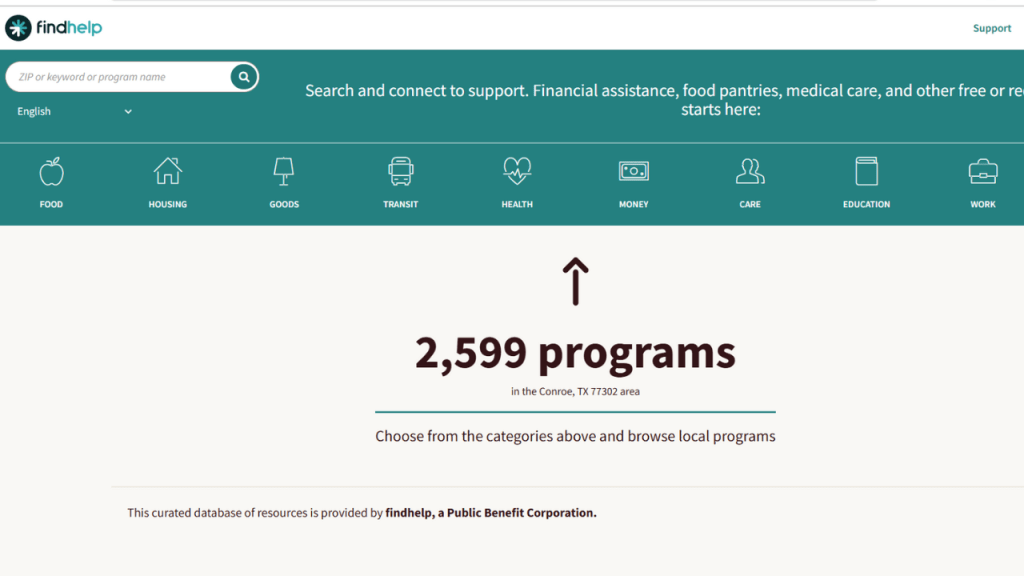
1. FindHelp.org – Your Comprehensive Local Resource Hub
FindHelp.org is one of the most powerful tools available for connecting with food assistance in your area. This free platform does more than just list food pantries—it’s a comprehensive directory of social services including food assistance, housing support, healthcare, and other essential services.
How to use it:
- Visit FindHelp.org on any device
- Enter your zip code
- Select “Food” as your need category
- Browse listings of food pantries, meal programs, and food banks nearby
- View hours of operation, eligibility requirements, and contact information
What makes FindHelp.org particularly valuable is that local organizations update their information regularly, so you’re getting real-time data. You can filter results based on your specific needs—emergency food boxes, hot meals, senior meal programs, and more. Bookmark this site and share it widely.
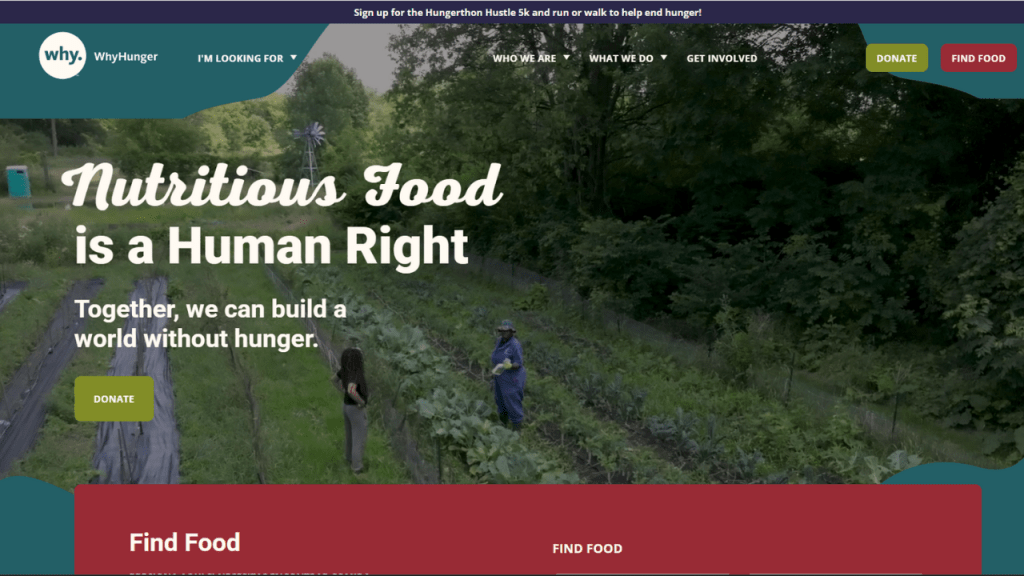
2. WhyHunger.org – Beyond Emergency Food
WhyHunger.org takes a comprehensive approach to fighting hunger. For over 40 years, this organization has been working not just to provide immediate food relief but to create sustainable, long-term solutions to food insecurity.
What WhyHunger offers:
- National Hunger Hotline access
- Searchable database of food programs nationwide
- Directory of farmers markets accepting SNAP benefits
- Information about community food projects and gardens
- Advocacy resources for systemic change
What sets WhyHunger apart is their commitment to food justice. They don’t just help you find your next meal, they connect you to programs supporting long-term food security and provide tools to advocate for change in your community. Visit their “Find Food” tool and explore resources about your rights and federal food assistance programs.
Additional Options to Access WhyHunger Resources
1-800-5-HUNGRY (1-800-548-6479) – Direct Access to Emergency Food
Sometimes the simplest solutions are the most effective. The national hunger hotline at 1-800-548-6479 (which spells 1-800-5-HUNGRY) connects you directly to emergency food assistance.
When you call this number, trained staff can:
- Connect you to food banks in your area
- Help you locate meal programs
- Provide information about SNAP and WIC programs
- Direct you to emergency food resources
This hotline is particularly valuable for seniors, individuals without internet access, or anyone who prefers speaking with a real person. The service is completely confidential and judgment-free.
Bonus tip: You can also text your zip code to 1-800-548-6479 and instantly receive a text back listing all food banks in your area. Save this number in your phone today.
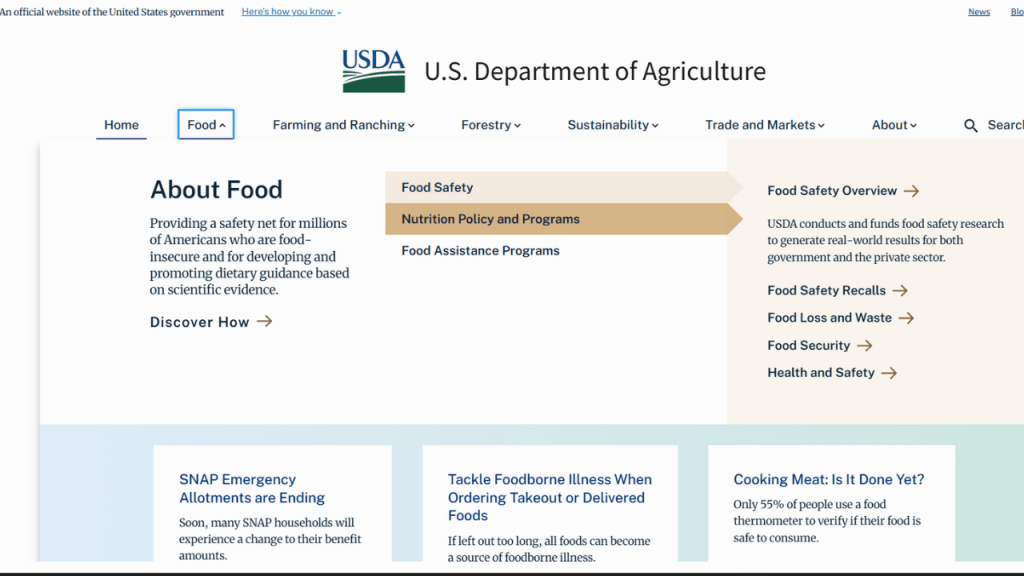
3. USDA.gov – Official Government Food Assistance
The United States Department of Agriculture oversees several critical food assistance programs, and even during government disruptions, many emergency food services continue to operate. At USDA.gov, you’ll find information about:
Key USDA Programs:
- SNAP (Supplemental Nutrition Assistance Program) – Many people who think they don’t qualify for SNAP actually do. The eligibility guidelines may be broader than you realize.
- WIC (Women, Infants, and Children) – Specialized nutrition assistance for pregnant women, new mothers, and young children
- School Meal Programs – Many schools provide free or reduced-price meals, and some continue serving meals even during breaks or closures
- TEFAP (The Emergency Food Assistance Program) – Provides food to low-income Americans through food banks and pantries
Visit USDA.gov and search for “emergency food assistance” or navigate to their Food and Nutrition Service section. The website maintains the most current information about program availability, especially during uncertain times.
Why Sharing This Information Matters
These resources only work if people know about them. That’s why I’m asking you to share this information widely:
- Post it on your social media
- Text it to friends and family
- Print it out and post it in community centers
- Share it with your faith community
- Talk about it at neighborhood gatherings
You might not need these resources today, but someone in your network probably does. Or you might find yourself needing them tomorrow. Economic hardship doesn’t discriminate, and neither should our compassion.
A Personal Note
Throughout my years of community service, I’ve witnessed the power of people coming together to support one another. I’ve seen the relief on someone’s face when they realize help is available. I’ve experienced the dignity that comes from both giving and receiving support.
If you’re struggling right now, please reach out. Use these resources. There is no shame in feeding your family. There is no embarrassment in asking for help. What matters is that we take care of each other, especially during challenging times.
And if you’re in a position to help, consider:
- Volunteering at your local food bank
- Donating to food assistance programs
- Advocating for policies that address food insecurity
- Simply spreading awareness about available resources
Take Action Today
Don’t wait until you’re in crisis mode. Save these resources now:
- FindHelp.org
- 1-800-548-6479 (call or text)
- WhyHunger.org
- USDA.gov
Share this article with your community. Post the video on your social media. Forward this information to someone who might need it. Together, we can ensure that no one in our community goes hungry.
We’re all in this together. Let’s act like it.

FTC Disclaimer: This is not a sponsored video or article. All opinions are genuinely my own. This post also contains affiliate links and I earn a small commission if you make a purchase after clicking on my links. It does not cost you any extra. Thank you for your continued support to keep the Bri Callis Blog going!

 bricallis.blog