

Buying a home is a significant milestone, and one of the key hurdles to overcome is saving for a down payment. Whether you’re a first-time homebuyer or looking to upgrade, the journey to homeownership begins with smart financial planning.
In this blog post, we’ll explore practical and effective ways to save for that all-important down payment.
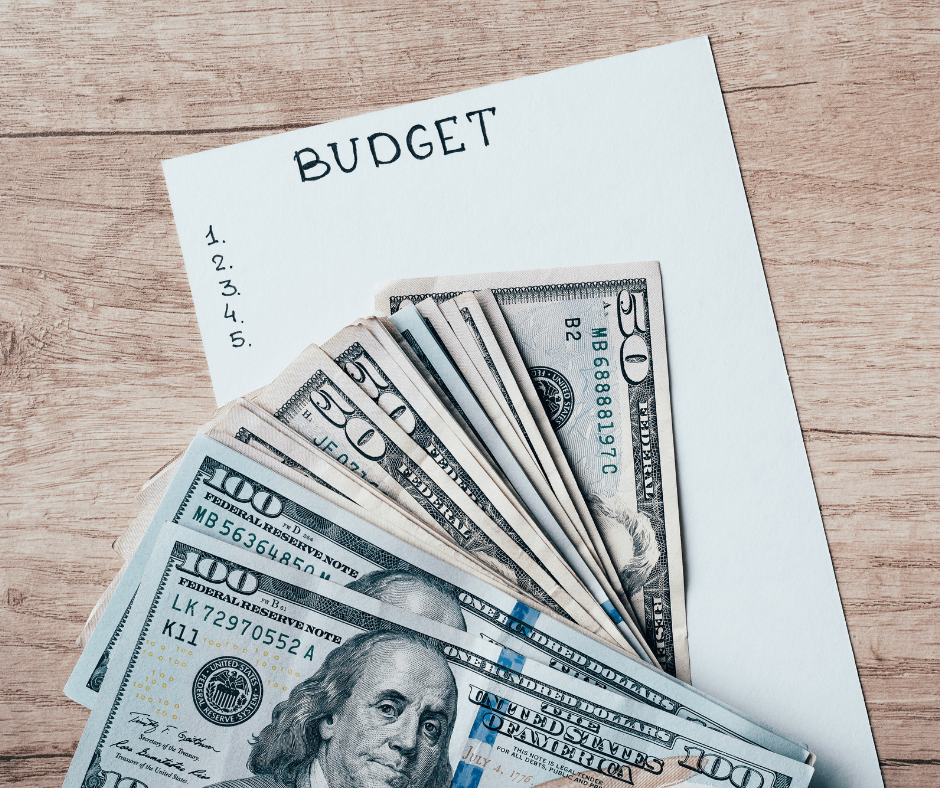
Craft a Detailed Budget
Understanding your financial landscape is crucial. Start by creating a detailed budget that outlines your income, monthly expenses, and discretionary spending. This will give you a clear picture of where your money is going and where you can cut back.
Automate Your Savings
Take advantage of technology to make saving a seamless part of your financial routine. Set up automatic transfers to a dedicated savings account. This “out of sight, out of mind” approach ensures that a portion of your income goes directly into your down payment fund.
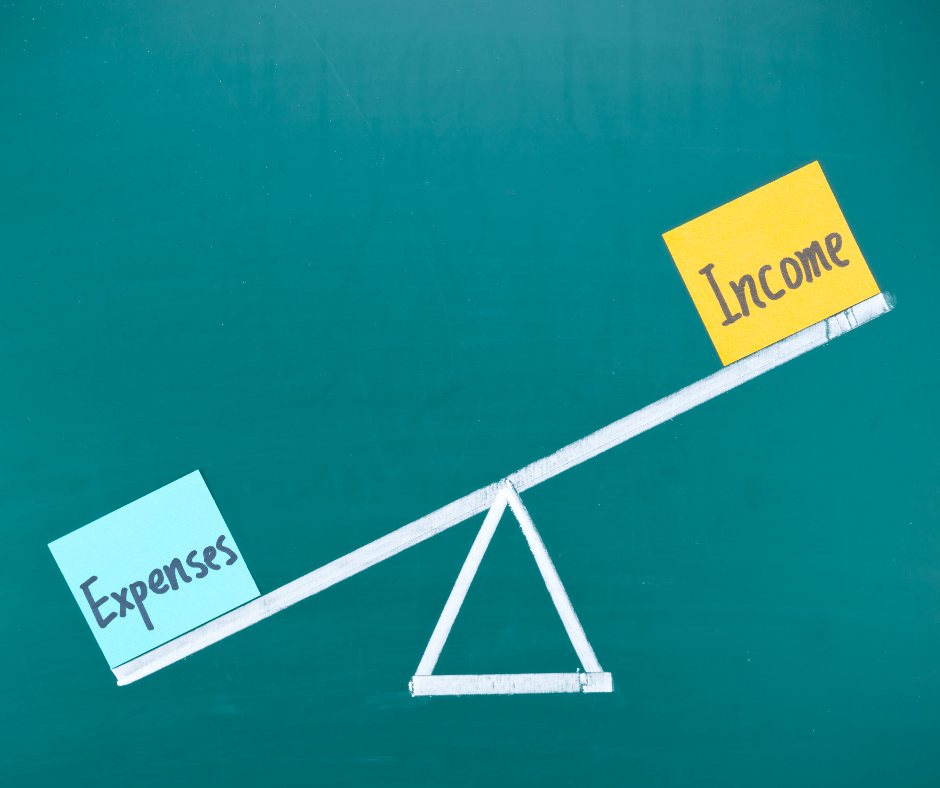
Trim Unnecessary Expenses
Evaluate your spending habits and identify areas where you can cut back without sacrificing your quality of life. Small changes, such as cooking at home more often or cancelling unused subscriptions, can free up funds for your down payment.
Explore Additional Income Streams
Consider taking on a side hustle or freelance work to supplement your primary income. The extra cash generated can accelerate your savings and provide a financial cushion for unexpected expenses.

Research Down Payment Assistance Programs
Investigate government or community-based down payment assistance programs. Many regions offer grants or low-interest loans to first-time homebuyers. Understanding and taking advantage of these programs can significantly ease the financial burden.

Invest Strategically
While saving for a down payment, explore low-risk investment options. Consider opening a high-yield savings account or investing in diversified portfolios. However, be mindful of the risks and choose investments that align with your risk tolerance and timeline.
Negotiate and Cut Costs
Review your monthly bills and negotiate better deals on services such as cable, internet, and insurance. Every dollar saved on recurring expenses is a dollar that can go towards your down payment.
Set Realistic Goals and Timelines
Establish clear, achievable savings goals based on your financial situation. Create a timeline that considers your income, expenses, and any external factors that might impact your ability to save. Realistic expectations will keep you motivated on your journey.

Saving for a down payment requires discipline, strategic planning, and a bit of creativity. By implementing these practical tips, you can make significant strides toward accumulating the funds needed to secure your dream home. Remember, it’s not just about cutting expenses; it’s about making intentional choices that align with your homeownership goals. Happy saving!
If you have any questions or want to share your experiences, please leave a comment below.

FTC Disclaimer: This is not a sponsored video or article. All opinions are genuinely my own. This post also contains affiliate links and I earn a small commission if you make a purchase after clicking on my links. It does not cost you any extra. Thank you for your continued support to keep the Bri Callis Blog going!

 bricallis.blog