
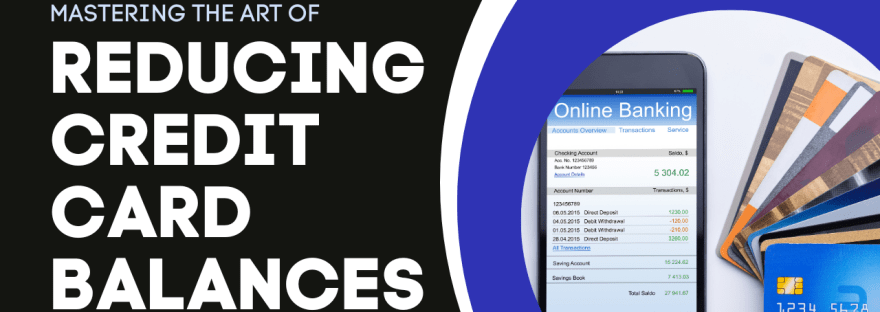
Credit cards can be a valuable financial tool when used wisely, but they can also lead to mounting debt if mismanaged. Reducing credit card balances is a crucial step towards achieving financial stability and minimizing interest costs.
In this blog, we will explore effective strategies for getting your credit card balances under control.
Assess Your Current Situation
The first step in reducing your credit card balances is to assess your current financial situation. Gather all your credit card statements and create a list that includes the balance on each card, the annual percentage rate (APR), and the minimum monthly payment for each.
Create a Budget
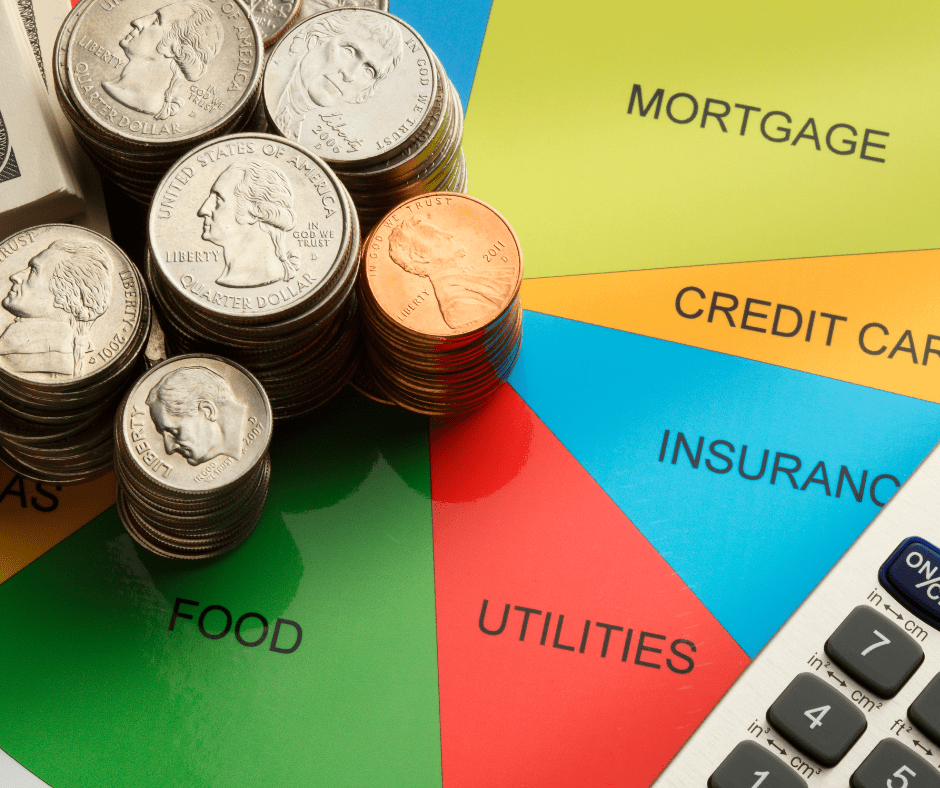
A well-planned budget is your secret weapon in the battle against credit card debt. Outline your monthly income and expenses to get a clear picture of how much you can allocate to debt reduction. Be sure to include all necessary expenses and allocate a portion of your income to paying down your credit card balances.
Prioritize High-Interest Debts
Credit cards often come with varying interest rates. To save money in the long run, focus on paying off high-interest cards first. This is known as the “debt avalanche” method. By tackling the highest interest debts initially, you minimize the amount of interest that accrues.
Consider Balance Transfers
If you have a good credit score, you might be eligible for balance transfer offers with lower or even 0% introductory APRs. Transferring high-interest debt to a lower interest or interest-free card can significantly reduce your overall interest costs. Be aware of any transfer fees, and make a plan to pay off the transferred balance during the introductory period.
Set Up a Debt Repayment Plan
Establish a debt repayment plan that outlines how you will pay off your credit card balances. You can choose between two popular methods:
- Debt Snowball: Pay off the smallest balance first. Once that card is paid off, use the money you were putting toward it to pay off the next smallest balance, and so on.
- Debt Avalanche: Pay off the highest interest rate card first, as mentioned earlier. This method can save you more money in the long run.
Cut Discretionary Spending
To free up extra cash for debt repayment, consider cutting back on non-essential expenses. This might mean dining out less, canceling subscription services, or finding more cost-effective alternatives for your daily needs.
Increase Your Income
Exploring opportunities to boost your income can accelerate your progress in reducing credit card balances. This might include taking on a part-time job, freelancing, or selling unused items.
Avoid Adding to Your Debt
While paying down your existing balances, refrain from adding more debt to your credit cards. If necessary, consider freezing your cards or leaving them at home to prevent impulse spending.
Build an Emergency Fund
Having an emergency fund can prevent you from turning to credit cards in times of unexpected expenses. Start by saving a small amount each month until you have at least three to six months’ worth of living expenses in your fund.

Seek Professional Help
If you find yourself struggling to manage your credit card debt, don’t hesitate to seek advice from a financial counselor or debt management agency. They can provide guidance on creating a tailored plan to get your finances back on track.
Reducing credit card balances is a journey that requires discipline, planning, and persistence. By creating a budget, prioritizing high-interest debts, and making smart financial decisions, you can take control of your financial future and reduce your credit card balances over time. Remember that it’s not about quick fixes but about building healthy financial habits for the long term.

FTC Disclaimer: This is not a sponsored video or article. All opinions are genuinely my own. This post also contains affiliate links and I earn a small commission if you make a purchase after clicking on my links. It does not cost you any extra. Thank you for your continued support to keep the Bri Callis Blog going!

 bricallis.blog