

Your credit score is a vital financial asset that impacts your ability to secure loans, credit cards, and other financial opportunities. Maintaining a good credit score is essential, and one of the most effective ways to do this is by making timely payments on your credit obligations.
To ensure that you never miss a payment deadline, setting up payment reminders can be a game-changer. In this blog, we’ll explore the importance of payment reminders and how to set them up to safeguard your credit score.
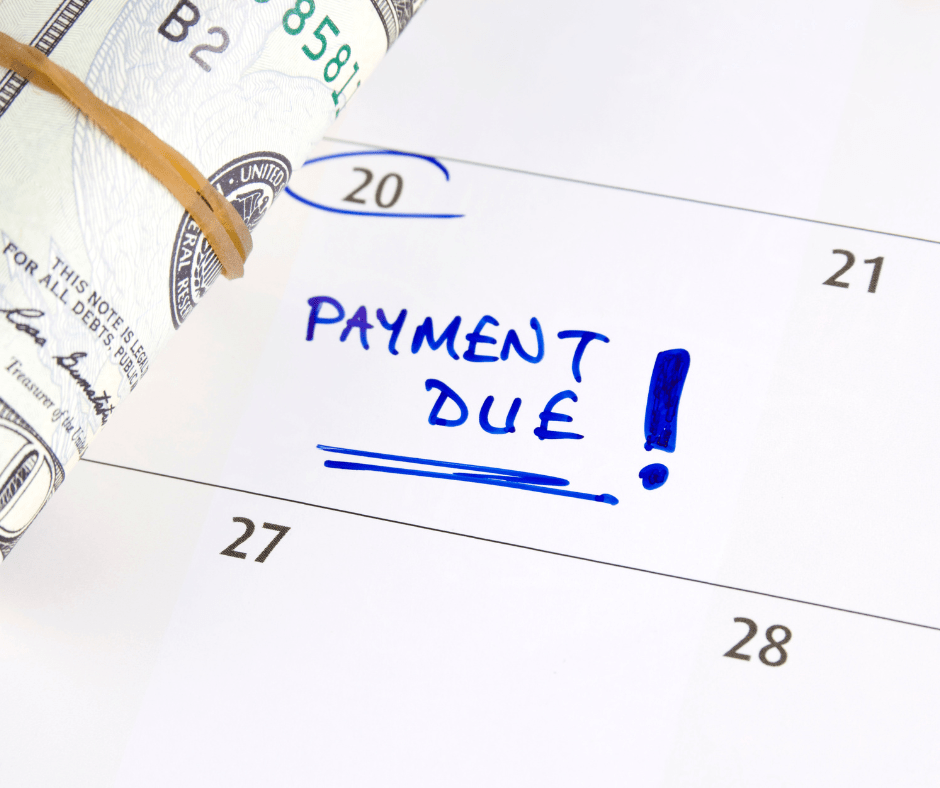
Why Payment Reminders Matter
Missing a payment deadline on a credit card, loan, or any other financial obligation can have serious consequences for your credit score. Here’s why payment reminders are crucial:
- Avoid Late Payment Penalties: Missing a payment deadline often results in late fees and penalties, which can increase the cost of your debt.
- Prevent Damage to Your Credit Score: Late payments can significantly impact your credit score, making it harder to secure future credit and loans.
- Preserve Your Financial Reputation: Consistently making on-time payments reflects positively on your financial responsibility and integrity.

Setting Up Payment Reminders
Now that we understand the importance of payment reminders, let’s explore how to set them up effectively:
Calendar Alerts: Many smartphones and email platforms allow you to set up calendar alerts for important dates. Create an event for each payment due date, and set a reminder for a few days in advance to ensure you have ample time to make the payment.
Bank or Credit Card Alerts: Most banks and credit card companies offer notification services. You can receive alerts via email or text message a few days before your payment is due.
Third-Party Apps: There are several apps designed to help you manage your finances and set up payment reminders. Some popular options include Mint, Credit Karma, and BillMinder. These apps can track your due dates and send you reminders.
Auto-Pay Options: Consider setting up auto-pay for your recurring bills whenever possible. This way, the required amount is deducted from your account on the due date automatically.
Personal Finance Software: Utilize personal finance software like Quicken or YNAB (You Need A Budget) to keep track of your financial obligations and receive payment reminders.
Virtual Assistants: Smart virtual assistants like Amazon Alexa and Google Assistant can also help you set payment reminders. Just ask them to remind you about upcoming bills.
Staying Proactive
While payment reminders are a great tool to help you manage your payments, it’s crucial to stay proactive and responsible when it comes to your financial obligations:
- Review Your Reminders Regularly: Check your payment reminders regularly to ensure they are accurate and up-to-date.
- Budget Wisely: Create a budget that outlines your income, expenses, and savings goals. This will help you allocate funds for your payments.
- Emergency Fund: Build an emergency fund to cover unexpected expenses or income disruptions, so you don’t have to rely on credit during tough times.
- Monitor Your Credit Score: Regularly check your credit report and score to ensure that all payments are being reported accurately and that there are no errors or discrepancies.

Setting up payment reminders is a simple yet effective way to safeguard your credit score and maintain your financial well-being. By staying organized and utilizing the various tools and strategies available, you can ensure that you never miss a payment deadline again. This proactive approach will not only protect your credit score but also contribute to your overall financial stability.

FTC Disclaimer: This is not a sponsored video or article. All opinions are genuinely my own. This post also contains affiliate links and I earn a small commission if you make a purchase after clicking on my links. It does not cost you any extra. Thank you for your continued support to keep the Bri Callis Blog going!

 bricallis.blog